High-functioning anxiety: living in survival mode
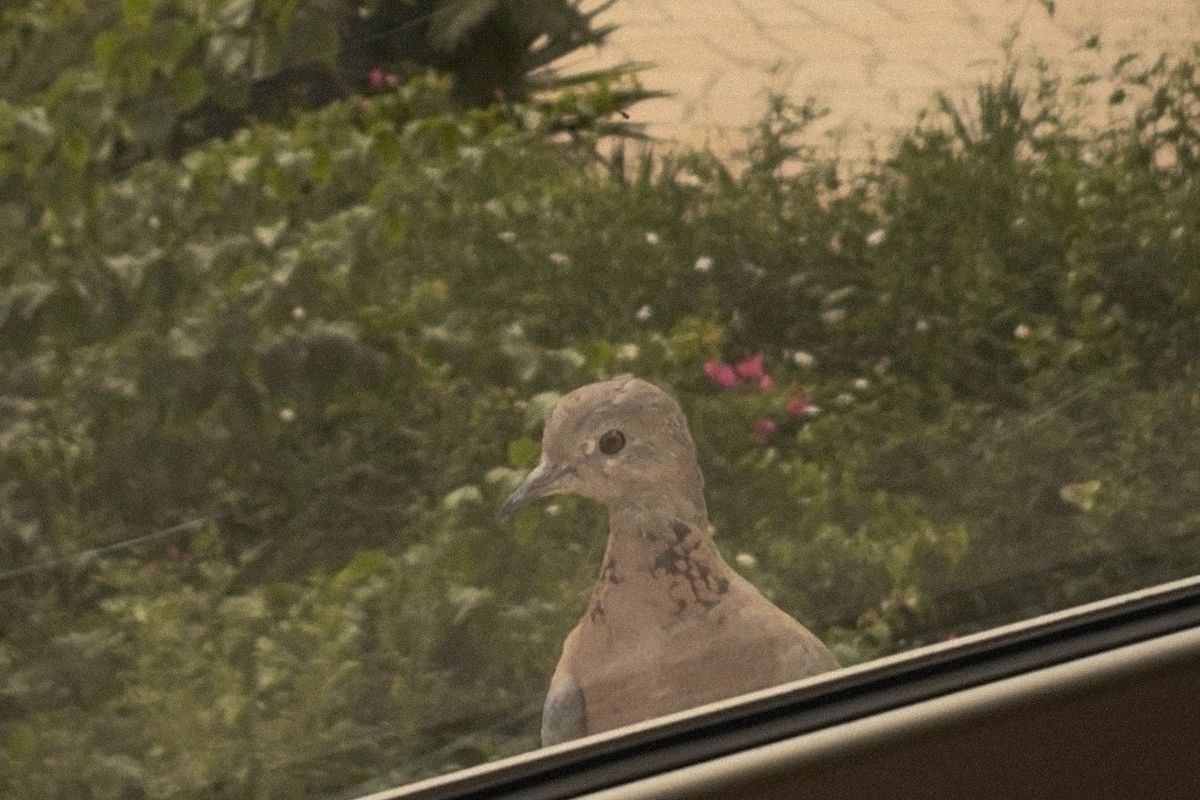
Most of the time, anxiety doesn't look obvious from the outside.
It can look like someone who has it all together. The one who plans the wedding, organises the birthday party, holds it together through every emotional occasion, and stays calm when everyone else is falling apart. Family might see it as you just being a high achiever, someone who's good at everything.
But inside, it can feel very different. Replaying a conversation over and over. Obsessing about how an event is going to go. Rehearsing a hard conversation you need to have with your partner or a friend, again and again, before it's even happened.
And often, we don't stop to recognise it. We just live with it. We keep functioning, and slowly it turns into a kind of survival mode.
A way of describing it, not a diagnosis
High-functioning anxiety isn't a diagnosis. It's just a way of describing how anxiety can hide behind us, behind how capable we seem, and sometimes behind how we see ourselves.
For some people, it becomes a way of coping with that quiet question underneath everything: am I enough? Keeping busy, getting it right and being the dependable one can feel like the answer.
It can look like not being able to say no. Boundaries that feel blurred. Feeling like you always need to stay busy. Anxiety drowning out the kinder, healthier thoughts. Having to be the calm one in every difficult situation, until it all catches up with you and you feel completely overwhelmed and burnt out.
None of this means something is wrong with you. Often, the first step is simply to notice it and acknowledge it. Not to fix it straight away, but to stop beating yourself up for it.
Anxiety as a protector
I understand this, and I've experienced it myself through my own journey. Even now, I know how it feels to replay a conversation long after it's ended, or to say yes when part of me wanted to say no. At the end of the day, we're human. We're going to feel a whirlwind of emotions and experiences, and sometimes we can't control them. And that's okay.
Anxiety can often feel like a defence. A kind of protector.
I don't tend to use a lot of clinical language in my work, because I believe every feeling comes from somewhere, and no feeling needs to define you. Anxiety can shield you from things you don't want to feel, or didn't feel safe to feel.
Maybe home felt unpredictable, angry, or like a place where you couldn't fully be yourself. Maybe you were the eldest child, and responsibility felt less like a choice and more like an obligation, so you felt like an adult from a very young age. Maybe being the good girl, the good boy, the good person was how you gained validation from the people you cared about, and how you found the security and love you needed.
This can look different across cultures, backgrounds and religions, and over time it can grow into patterns that aren't so healthy for us anymore.
When reassurance isn't enough
When anxiety is loud, it's natural to look for reassurance. You ask someone if it's okay. You check again. You search for answers online.
And yes, it helps, for a moment. But then it can become an even bigger worry. Was that enough? Do I need more reassurance? Or am I just bugging out?
That's because anxiety is rarely just about what's happening in front of you, whether that's a deadline, a text or a thought about yourself. Underneath, it's often a fear of being judged, of being wrong, of being a burden.
It can help to gently ask yourself: Is this a feeling I've felt before? Maybe in childhood? Is this a feeling that touches something deeper, like my self-esteem, or an old disappointment?
Getting curious about your anxiety
The way I work isn't about seeing anxiety as something that defines you. It's a feeling you can learn to recognise and be curious about.
What's underneath it? What other feelings sit beneath the anxiety? What do you feel it might be protecting you from, or where might it be coming from?
Together, we can notice patterns in how you relate to others and to yourself, including ones that may have begun long ago, even generations ago. Is it something you saw in a parent or caregiver? Something you learned to mirror?
Sometimes I invite people to think of anxiety as a part of them rather than all of them. You might even give it a name, and start noticing when it shows up.
There's no right way to explore anxiety. The biggest thing is simply acknowledging it, and seeing how you might start to work with it rather than against it. And many people begin with nothing more than a sense that they're tired of holding everything together.
You're not alone in this
Anxiety can be incredibly hard to live with day to day. You don't need to wait until you're falling apart, or tell yourself that other people have it worse.
You are enough. You deserve to understand your anxiety, and to have space to step out of survival mode, at your own pace.
If this resonated, you can read more about how I work with anxiety, or book a free 25-minute call. There's nothing you need to prepare.